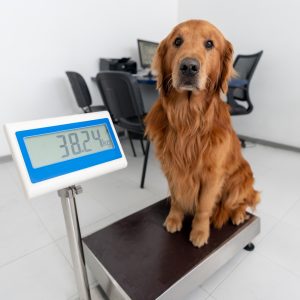
A dog’s yearly check-up, often referred to as an annual wellness exam, is a crucial component of preventive veterinary care, ensuring that your furry friend remains healthy and happy throughout its life. This comprehensive evaluation is designed to catch any potential health issues early on and to maintain the ongoing well-being of your pet. Here’s a detailed description of what typically happens during a dog’s yearly check-up:
The yearly check-up is a great opportunity to address any concerns you may have about your dog’s health and to establish a preventive care plan tailored to your dog’s individual needs. It’s also a good time to update your vet on any changes in your dog’s environment, diet, or behavior. Regular check-ups contribute significantly to a long, healthy, and happy life for your dog.
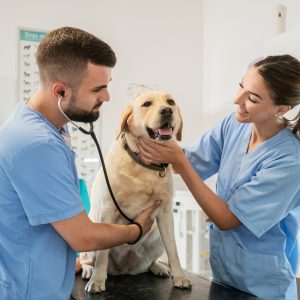
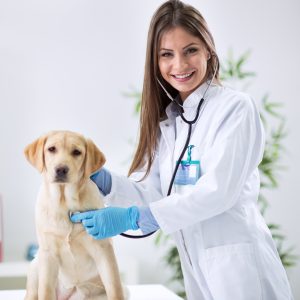
Overall Physical Examination:
Weight and Body Condition: The vet checks your dog’s weight and body condition score to monitor for any signs of obesity or underweight, both of which can lead to health issues.
Skin and Coat Health: Examination of the skin and coat can reveal signs of allergies, infections, parasites, or other skin conditions.
Eyes, Ears, and Nose: The vet looks for discharge, redness, or abnormalities that might indicate infections or diseases.
Mouth and Teeth: Dental health is assessed to look for signs of gum disease, tooth decay, or other oral health issues. Dental hygiene is crucial as dental problems can lead to systemic health issues.
Heart and Lung Evaluation: Listening to the heart and lungs with a stethoscope helps detect abnormal heart sounds, rhythms, or respiratory issues.
Abdominal Palpation: Gently palpating the abdomen checks for pain, organ size, and any unusual masses or growths.
Musculoskeletal Examination: The vet checks for signs of arthritis, muscle loss, or other orthopedic issues by observing the dog’s gait and examining its limbs and joints.
Vaccinations:
Update Vaccinations: Based on your dog’s age, medical history, lifestyle, and local regulations, the vet will administer necessary vaccines. Core vaccines are typically updated, and non-core vaccines are given depending on the dog’s exposure risk.
Parasite Control:
External Parasites: The vet will check for signs of fleas, ticks, and mites, and recommend or administer appropriate preventative treatments.
Internal Parasites: A fecal exam may be conducted to check for the presence of intestinal parasites like roundworms, hookworms, and giardia. Heartworm testing is also typically part of the annual check-up, especially in areas where heartworm is prevalent.
Blood Work:
Routine Blood Tests: A Complete Blood Count (CBC) and a Blood Chemistry Panel help detect early signs of diseases such as kidney disease, liver disease, diabetes, and more. These tests are particularly important for senior dogs or dogs with known health issues.
Nutritional Counseling:
Diet and Nutrition: The vet may discuss your dog’s diet, including the type and amount of food it eats, to ensure it’s receiving balanced nutrition suited to its age, weight, and health status.
Behavioral Assessment:
Behavioral Issues: Any changes in behavior or new concerns can be addressed. The vet can provide advice or refer you to a behavioral specialist if needed.
Preventive Care Recommendations:
Health Maintenance: The vet may recommend dental care routines, weight management plans, exercise routines, and other lifestyle adjustments to help keep your dog healthy.
Discussion and Questions:
Review and Plan: The vet will summarize the findings, discuss any necessary treatments or follow-up care, and answer any questions you might have about your dog’s health, behavior, or care needs.