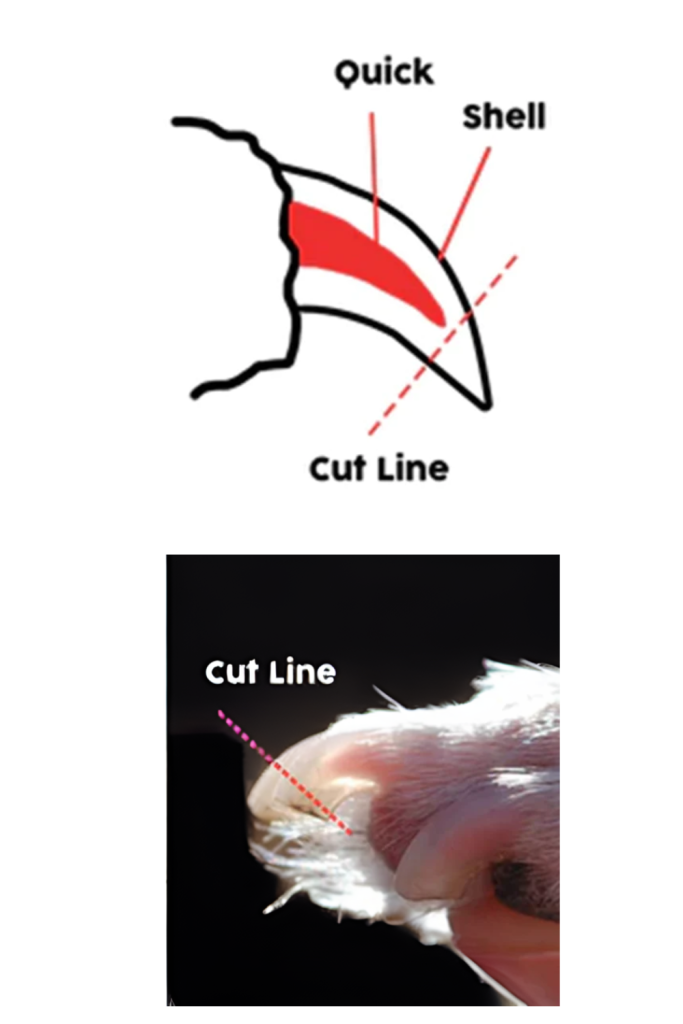
As dog owners, understanding the anatomy and care of your furry friend’s nails is essential for ensuring their comfort and health. Unlike humans, dogs have claws, not nails, which wrap around the tips of their toes and frequently contact the ground, making them prone to splitting, cracking, or breaking. This comprehensive guide will help you navigate the nuances of dog nail care, ensuring your dog remains happy and healthy.
Understanding the Quick
The most significant difference between dog claws and human nails is the presence of a blood vessel and nerves known as the quick within the claw. Regular trimming is essential; otherwise, the quick will lengthen, increasing the risk of painful accidents during nail cutting. If the nails are trimmed too short and the quick is nicked, it can lead to bleeding. While some believe using a Dremel tool cauterizes the cut, this is a myth; the nail will still bleed if the quick is hit..
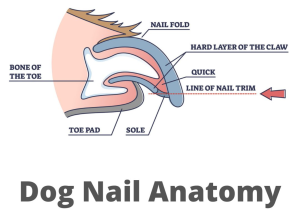
Stopping Bleeding and Nail Health
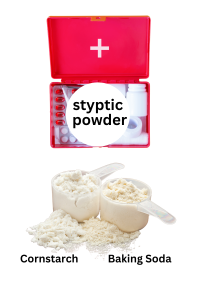
In the event of accidental bleeding, styptic powder is the most effective remedy. However, in its absence, a mix of cornstarch and baking soda, a clean bar of scent-free soap, or a wet tea bag can be used to stop the bleeding, though they might not work as instantly.
Nail health and growth rate are influenced by the type of surface your dog frequents, their activities, and their diet. Strong, less brittle nails are a sign of good nutrition, featuring a balance of minerals and vitamins.
Knowing When to Trim
Recognizing the right time to trim your dog’s nails is crucial. Look out for these signs:
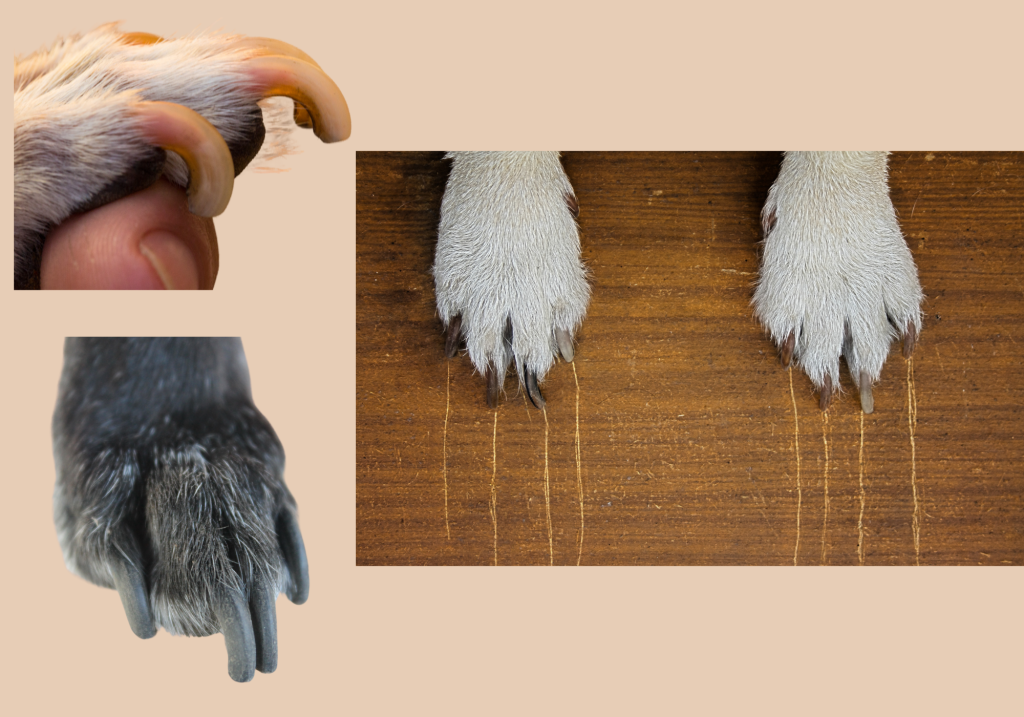
Nails appearing long and starting to curve.
Clicking sounds when the dog walks on hard surfaces.
Excessive scratching of you or furniture.
Awkward walking or excessive licking of paws.
Neglecting nail care can lead to joint problems and pain due to the alteration of your dog’s natural stance. Additionally, long, unattended nails are more likely to get caught and rip off, causing severe pain and requiring medical attention.
Choosing the Right Tool
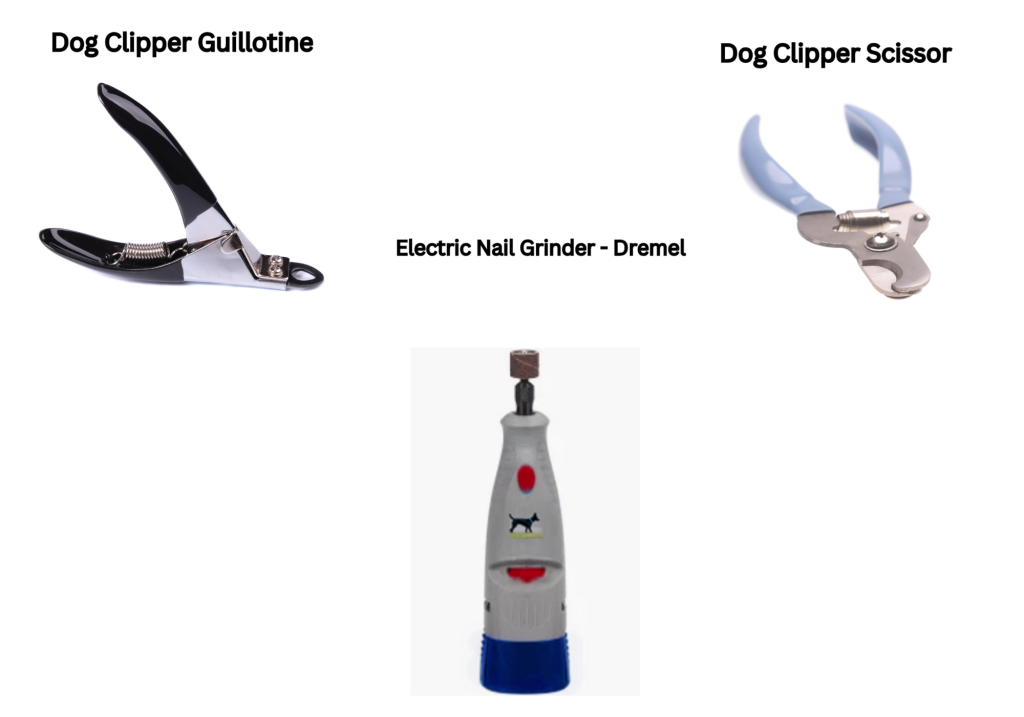
There are three primary tools for nail care: nail cutters, electric nail files (such as a Dremel), and manual nail files. Nail cutters offer the most straightforward method but carry the highest risk of hitting the quick. Many dogs dislike nail clippers due to past pain or discomfort caused by dull clippers that crush rather than cut the nail. For the safest and most comfortable cut, opt for sharp, high-quality clippers like the Miller Forge nail trimmers and take tiny slices off the nail to avoid the quick.
The Dremel, a versatile tool for sanding materials, offers a less risky alternative to clippers. Using a round sand bit, you can gently file down the nail without cutting into the quick. For manual filing, especially for larger dogs, you can create a DIY file with a piece of sandpaper attached to a wooden block.
Conclusion
Dog nail care is a critical component of their overall health, influencing their comfort, mobility, and well-being. Regular, careful trimming prevents discomfort and health issues related to overgrown nails. By understanding the anatomy of your dog’s nails, recognizing the signs that it’s time for a trim, and selecting the appropriate tools, you can ensure your dog’s nails are healthy and well-maintained. Remember, patience and gentle handling during nail trimming will make the process smoother and less stressful for both you and your dog.