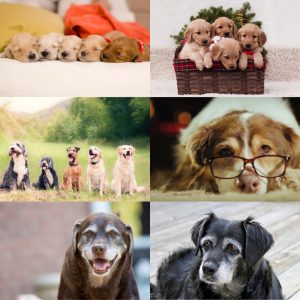
A Dog’s lifestyle goes beyond the basic necessities and involves providing additional elements that contribute to their overall happiness, mental well-being, and quality of life.
Dog’s lifestyle refers to the additional, often optional, elements that go beyond the essentials and are tailored to enhance the dog’s quality of life and provide extra comfort, enjoyment, and personalization.
Enrichment:
A dog’s lifestyle involves incorporating enrichment activities to stimulate their mind and prevent boredom. Enrichment includes providing mental challenges such as puzzle toys, interactive games, and activities that tap into a dog’s natural instincts. This keeps their brain engaged, promotes problem-solving skills, and contributes to their overall mental well-being.
Socialization:
Socialization is a crucial aspect of a dog’s lifestyle. It involves exposing the dog to various people, animals, and environments to help them develop positive behaviors and adaptability. Regular socialization opportunities, such as playdates with other dogs, interactions with different people, and exposure to diverse settings, contribute to a well-rounded and socially confident dog.


Routine:
Establishing a consistent routine is essential for a dog’s lifestyle. Dogs thrive on predictability, and a stable routine provides a sense of security and comfort. This includes regular feeding times, walks, play sessions, and bedtime. Consistency in daily activities helps dogs feel secure and reduces stress.
Emotional Health:
A dog’s lifestyle places a strong emphasis on emotional health. This involves understanding and addressing the dog’s emotional needs, providing ample opportunities for positive interactions, and affection, and creating a supportive and loving environment. Emotional health is fostered through positive reinforcement, gentle handling, and attentive care.


Lifestyle Adaptations:
Lifestyle adaptations refer to adjusting the dog’s living conditions to accommodate their unique needs and preferences. This includes making changes to the home environment, introducing new elements based on the dog’s age, health, and activity level, and adapting to any changes in the dog’s behavior or requirements over time. Lifestyle adaptations ensure that the dog’s living situation evolves to meet their changing needs.
Love and Affection
Finally, a loving relationship with your dog is the foundation of their well-being. Regular affection, attention, and positive reinforcement strengthen your bond and support their emotional health.
Love and affection form the cornerstone of your relationship with your dog and are crucial for their emotional well-being. Dogs are not just pets but members of the family who thrive on close bonds with their humans. Showing love and affection to your dog can enhance your bond and has numerous benefits for both of you. Here’s how you can express love and affection to ensure your dog feels valued, secure, and happy: